What is Hair Transplantation and How is it Done?
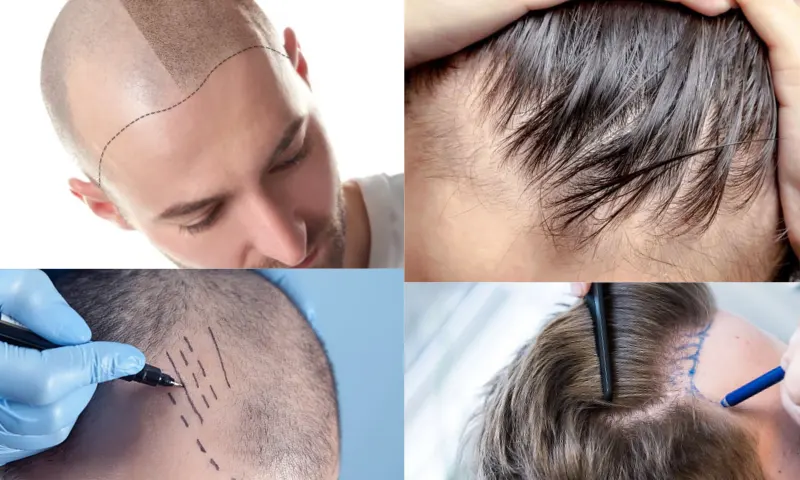
Hair transplantation is a surgical procedure performed to regain hair follicles in individuals experiencing hair loss or baldness. Generally, healthy hair follicles taken from the nape of the person are transplanted to sparse or completely bald areas. This procedure allows hair follicles to regrow naturally. Hair transplantation is performed using two main methods: FUE (Follicular Unit Extraction) and FUT (Follicular Unit Transplantation). In the FUE method, hair follicles are taken and transplanted one by one, while in the FUT method, a strip of scalp is removed and follicles are obtained from it. Hair transplantation is performed under local anesthesia and is usually a procedure that takes a few hours. For information on this subject and to ask your questions, you can look at the relevant online companies on the internet pages and examine them in detail.
Who is Hair Transplantation Suitable For? 
Hair transplantation is generally a suitable treatment method for individuals experiencing male pattern baldness. However, hair loss can occur for various reasons; genetic factors, hormonal changes, stress, poor nutrition, and some medical conditions can cause hair loss. Therefore, it is important for individuals considering hair transplantation to be evaluated by a dermatologist or hair transplantation specialist first. Hair transplantation is recommended for individuals whose hair loss has reached serious levels and who have not responded to other treatment methods. Additionally, having a sufficient number of donor hair follicles is a critical factor for the success of the procedure. Women can also undergo hair transplantation; however, since the cause and extent of hair loss in women can differ from men, the treatment process should be planned on a personalized basis.
Things to Consider After Hair Transplantation
After hair transplantation, there are some important points that patients need to pay attention to. In the first few days, there may be sensitivity, swelling, and mild pain in the scalp; these conditions usually pass quickly. To protect the transplanted area, direct sunlight should be avoided for the first few days, and activities that put pressure on the head should be avoided. In addition, the hair should be washed and cared for as recommended by the doctor. It takes some time for the new hair follicles to strengthen after transplantation; usually, within 6 to 12 months, the transplanted hairs grow fully and achieve a natural appearance. Shedding of hair is normal during the healing process, and this makes way for new hair to grow. The results of hair transplantation are permanent, but it is important to follow the doctor's advice to achieve the best results.