What are Varicose Veins
Varicose veins, which usually appear as blue and green lines on the upper parts of the legs, can become unbearable due to the swelling and pain they cause. While varicose veins are seen in 50% of women over 50, they can also occur at younger ages. Veins are responsible for carrying blood to the heart, ensuring unidirectional circulation both downwards and upwards. Varicose veins, which occur as a result of the irregular functioning of veins, appear as blue and green discolorations on the skin because they are located close to the skin's surface.
Symptoms include the formation of blue and green nodules on the legs, severe pain especially in the evening, swelling and cracking, sudden cramps during sleep, and itching.
How are they treated?
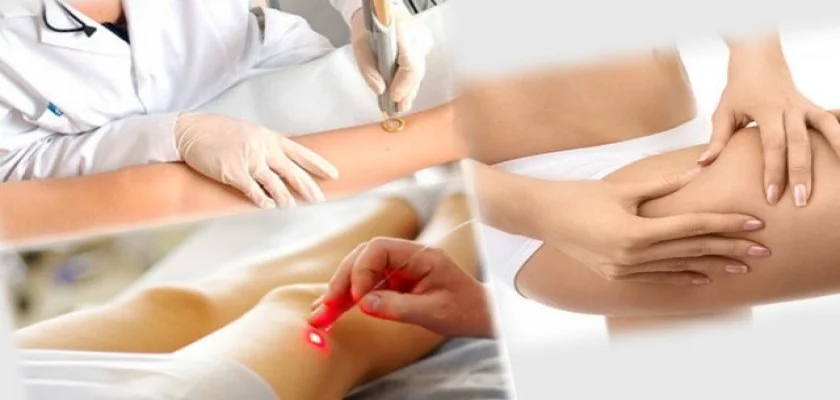
First, a diagnostic test called Doppler ultrasonography is performed to determine the cause of varicose veins by examining the direction and speed of blood flow within the veins. Subsequently, laser treatment, which is the best treatment method for varicose veins, is applied. During and after the easily administered laser treatment, no pain is felt, and there are no infections or bruising.