
How to Install an Electric Bicycle Battery?
What Types of Batteries Are Used in Electric Bicycle Batteries?
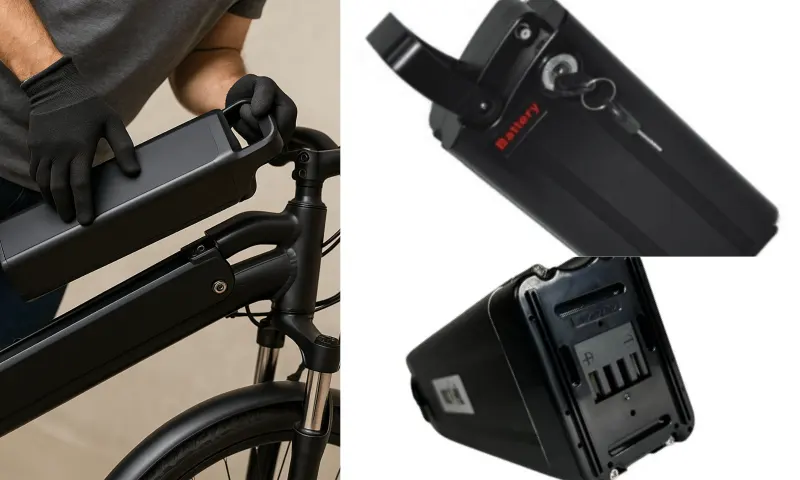
Replacing an electric bicycle battery or using a spare battery is a process that users should pay attention to. Before installing an electric bicycle battery, make sure the bicycle is turned off and has no power. This is important for both safety and proper connection. The battery is mounted on the middle part of the bicycle or on the rear carrier. During installation, ensure that the battery's tabs are fully seated on the rails. If it does not fit properly in its slot, it may loosen during movement, which risks both riding safety and the battery's lifespan. You can visit the website https://voltpilbatarya.com/ebike/ for detailed information about electric bicycle batteries.
What Should Be Considered When Replacing an Electric Bicycle Battery?
What types of batteries are used in electric bicycle batteries is an important topic to know when making a battery choice technically. The most common type of battery used is lithium-ion (Li-ion) batteries. They are the most preferred option due to their lightweight structure, high energy density, and long lifespan. Lithium iron phosphate (LiFePO4) batteries are safer and resistant to high temperatures. These batteries have a longer cycle life, but their energy density is lower than lithium-ion. Therefore, they are preferred for applications requiring high safety. Nickel-metal hydride (NiMH) batteries are among the lower-cost options. What should be considered when replacing an electric bicycle battery is critical both in terms of technical safety and the lifespan of the new battery. The first thing to consider is that the new battery must be compatible with the existing bicycle system. If the voltage and amperage values are different, the system may be damaged. All power connections must be disconnected before replacing the battery. If the old battery is hot, it should be allowed to cool down. It is also important not to mix up the cable directions during the installation of the new battery.