
Winter Vegetables and Their Health Benefits

During the winter months, healthy eating becomes even more important to protect the body against cold weather conditions. Winter vegetables meet the need for vitamins and minerals during this period, strengthening the immune system. Vegetables such as cauliflower, cabbage, spinach, chard, leeks, carrots, and squash are among the most preferred ones in the winter season. These vegetables are rich in nutrients like vitamin C, vitamin A, and folic acid, helping the body become resistant to diseases. Furthermore, winter vegetables, which are high in fiber, regulate the digestive system and support gut health. For information on this topic and to ask your questions, you can check the relevant online companies on internet pages and examine them in detail from here.
Various Cooking Methods for Winter Vegetables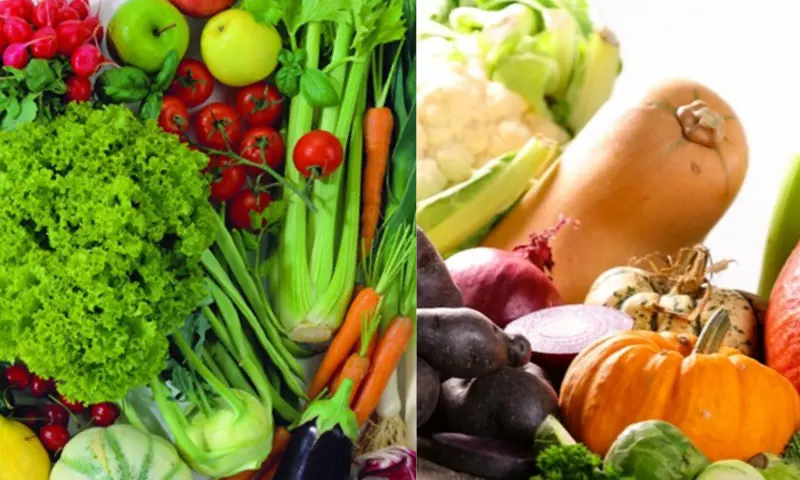
Winter vegetables can be transformed into delicious and nutritious meals with different cooking methods. Boiling, steaming, baking, or sautéing vegetables ensures they are consumed healthily while preserving their nutritional values. For example, vegetables like cauliflower and broccoli lose minimal vitamins when steamed and can be served without losing their flavor. Additionally, hot soups are quite popular in winter. Vegetable soups, being rich in vitamins and minerals, strengthen immunity while also providing warmth to the body. Besides, vegetable stews or olive oil-based dishes made with winter vegetables offer a filling and nutritious option, especially on cold days.
Storage and Fresh Consumption of Winter Vegetables
Obtaining fresh vegetables in the winter season can sometimes be difficult. Therefore, proper storage of winter vegetables is of great importance. Vegetables can be stored for a long time by freezing or canning. The freezing method is a common choice for consuming winter vegetables fresh after their harvest season. Vegetables can be washed, chopped, packaged appropriately, and then placed in the freezer. Canning is also an effective method for long-term storage. During times when fresh vegetables are hard to find in winter, products prepared this way help to maintain vegetable consumption.