
The Importance of Workspace Design

Workspace design is one of the most important steps in creating a productive work environment at home or in the office. A well-designed workspace facilitates focus and increases motivation. A cluttered and disorganized environment can lead to distraction and reduce productivity. Therefore, a workspace should be considered not just a desk and chair, but also a space that supports the individual's mental order. Especially with the increase in remote work and online education, the importance of well-planned workspaces has grown even more. For information on this topic and to ask your questions, you can look at relevant online companies on web pages and examine them in detail here.
What Should an Ideal Workspace Be Like?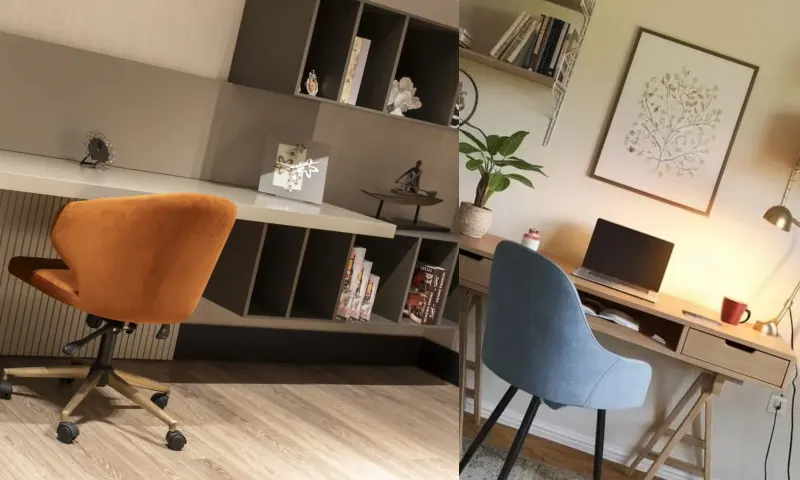
An ideal workspace design is based on fundamental elements such as ergonomics, lighting, and organization. First and foremost, ergonomic design of the desk and chair protects body health during long working hours. Choosing a corner with natural light reduces eye strain and increases work efficiency. Shelves and organizers that provide sufficient storage space prevent the desk from becoming cluttered. Additionally, a simple and non-distracting decoration should be preferred. Plants, small accessories, or inspiring visuals contribute to the workspace both aesthetically and motivationally.
Productivity and Motivation in Workspace Design
Workspace design is a factor that directly affects productivity and motivation. An organized and comfortable workspace increases the desire to start work and helps to focus for longer periods. Color choice is also important in this process; light and calm tones relax the mind, while overly bright colors can be distracting. A workspace designed according to personal needs also facilitates time management. Having everything in its place speeds up the workflow and reduces stress levels. In conclusion, a well-planned workspace design increases productivity and makes the work process more enjoyable.