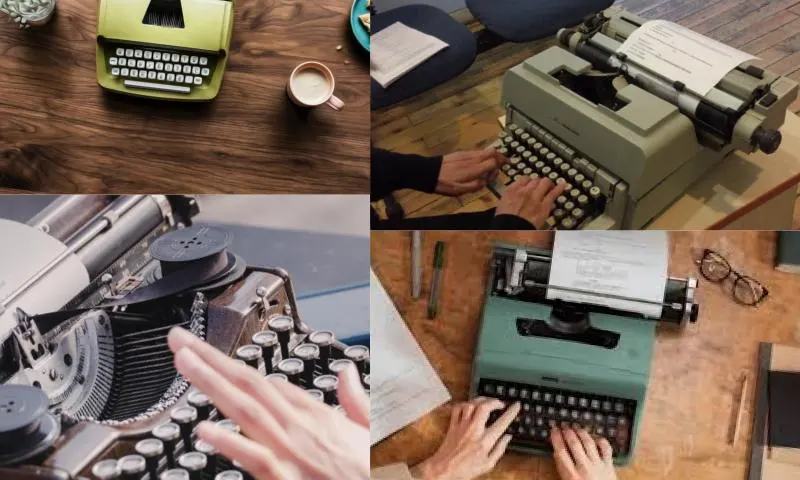
The typewriter is a mechanical device used for writing quickly and neatly. Invented in the late 19th century, the typewriter revolutionized printing and office work. Although early models were large and cumbersome, they gradually became more compact and user-friendly. The invention of the typewriter accelerated written communication and improved the readability of documents. It was widely used in offices and homes throughout the 20th century and was the most important tool for preparing written texts until the widespread adoption of computers. Today, it is mainly considered a nostalgic object and a collector's item. You can look at related online companies on web pages to get information on this subject and ask your questions, and examine them in detail from here.
How a Typewriter Works
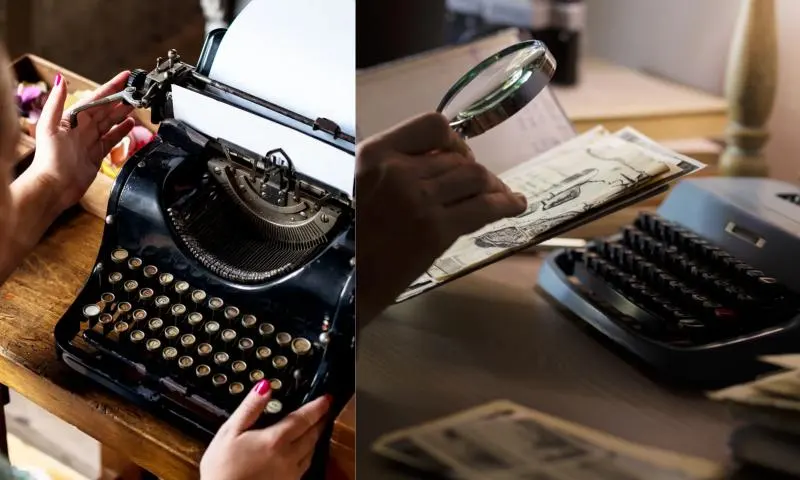
In a typewriter, each key moves a metal lever underneath, which strikes an inked ribbon against the paper. This mechanical impact causes the letter or character to be imprinted on the paper. The written characters appear on the paper in the correct sequence, and the writing continues uninterrupted. Thanks to each key's own mechanism, the placement of letters on a typewriter is arranged according to specific standards; the most common is the QWERTY keyboard. Being mechanical, the typewriter makes a sound while typing, providing tactile feedback to the user. This feature makes the typing experience unique. However, it was difficult to correct mistakes once made; errors were corrected using white correction tape or an eraser.
The Typewriter's Place and Importance Today
With the advancement of technology, computers, tablets, and smartphones have replaced the typewriter. However, the typewriter still maintains its popularity among writing enthusiasts, nostalgia lovers, and collectors. Typewriters, which add a different rhythm and pleasure to the writing process, hold a special place, especially in the literary world. Novels and works written by famous authors on typewriters have increased the cultural significance of this device. Additionally, some artists and designers create unique works using typewriters. Today, the typewriter is recognized for offering a technical and aesthetic writing experience, while also serving as a bridge to the past. In our rapidly changing world, the typewriter is an important part of writing culture, offering a nostalgic touch. This mechanical device, which reminds us that writing is not just a means of communication but also an art and a discipline, has an impressive story that spans from the past to the present. If you love to write, trying a typewriter might be a different source of inspiration.