How Often Should a Passport Photo Be Updated?

A passport photo is the most basic visual representation of a person in official documents and needs to be updated at regular intervals. Official institutions such as identity and passport processing offices require a passport photo taken within the last six months. The main reason for this is that changes that may occur over time in facial features can create a discrepancy with the photo on the documents. Changes in factors such as hairstyle, beard status, or weight can affect recognizability. This update period may vary depending on the institution. While some visa applications require photos taken within three months, some institutions may accept passport photos taken up to one year ago. You can look at the relevant online firms on their websites for information on this matter and to ask your questions, and you can review them in detail from here.
Is There a Difference Between a Passport Photo and a Physical Print?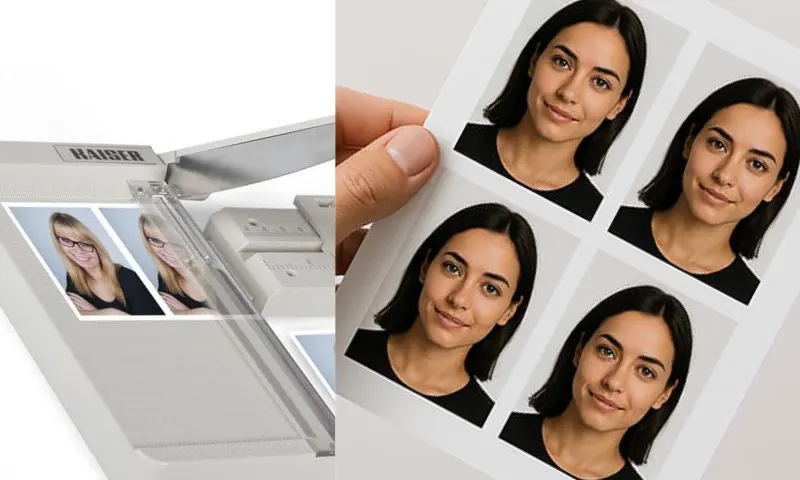
When a passport photo is taken and edited digitally, it offers advantages in high resolution and quality. However, when this photo is transferred to a physical print, some details may differ. A photo that looks vibrant with screen light may appear more matte or have a different tone when printed on paper. This creates a difference, especially in details such as skin tone and facial features. The quality of the physical print varies depending on the paper used, the printing device, and color settings. Therefore, the professionalism of the printing studio is of great importance before a passport photo is printed.
How is a Passport Photo Different from a Biometric Photo?
Passport photos and biometric photos are often confused, but they actually have distinct differences. A passport photo is a 4.5 x 6 cm photo that includes the person's head and shoulders, with a white or light-colored background. This photo is for general use such as CVs, school records, and company cards. A biometric photo, on the other hand, is a special format photo that complies with international standards, shows the face directly from the front with a neutral expression, and captures facial measurements in specific proportions. It is used for documents such as passports, visas, and identity cards.