What is the Zero Waste Movement and Why is it Important?
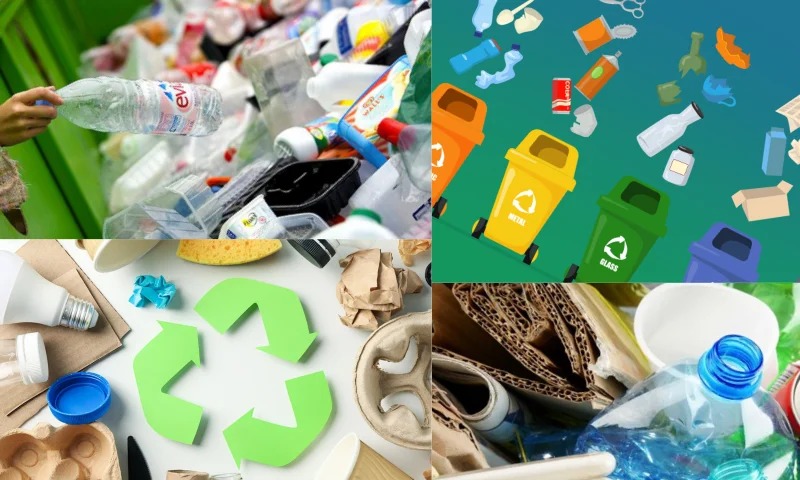
The Zero Waste Movement represents a sustainability approach that aims to minimize waste generation and encourages reusing, recycling, or composting waste instead of sending it to landfills. The primary goal of this movement is to reduce the depletion of natural resources, minimize environmental pollution, and leave a cleaner planet for future generations. The zero waste philosophy is an environmental protection effort that requires contributions not only from individuals but also from businesses, communities, and governments. For information on this topic and to ask your questions, you can check out relevant online companies on web pages and examine them in detail.
Principles and Implementation of the Zero Waste Movement
The Zero Waste Movement is based on five main principles: refuse, reduce, reuse, recycle, and compost. These principles guide the reduction of waste generation and environmental pollution. People can contribute to this movement by refusing single-use products and reducing unnecessary packaging materials. Additionally, they can achieve zero waste goals by reusing items and adopting recycling and composting methods.
Benefits and Future Impacts of the Zero Waste Movement
The Zero Waste Movement brings a range of positive impacts. This movement helps conserve natural resources, promotes energy savings, improves air and water quality, and reduces the need for landfill space. Furthermore, zero waste practices are economically beneficial, as recycling and reuse processes create jobs. In the future, the zero waste movement will continue to contribute to the goal of creating a cleaner and more sustainable world. The Zero Waste Movement is a significant initiative for environmental protection, the sustainability of natural resources, and leaving a clean planet for future generations. This movement encourages individuals, businesses, and communities to become more conscious consumers and waste producers. Adopting zero waste principles and practices not only reduces negative environmental impacts but also provides economic and social benefits. Therefore, the zero waste movement will gain more importance in the future and will be adopted by a wider audience.