What is Urban Transformation?
Why is Urban Transformation Necessary?
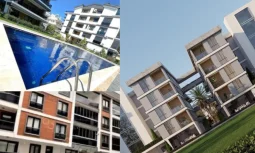
Urban transformation is the process of improving existing residential areas, infrastructure, structures, and environmental elements in a city by modernizing, strengthening, or redesigning them. This comprehensive planning and implementation aims to solve structural problems in urban areas, increase environmental quality, and raise living standards. If you want detailed information about urban transformation, you can visit the web address https://www.tektaskentseldonusum.com/kentsel-donusum-sistemi-muteahhitlik. Urban transformation is necessary for various reasons. Firstly, it is to solve the problems arising from the rapid growth of cities and the lack of infrastructure to meet changing needs. Factors such as renewing old and unsafe structures, increasing resistance against natural disasters like earthquake risk, environmental sustainability, and energy efficiency make urban transformation mandatory. High population density and traffic problems in city centers are also among the factors supporting urban transformation.
How Does the Urban Transformation Process Work?
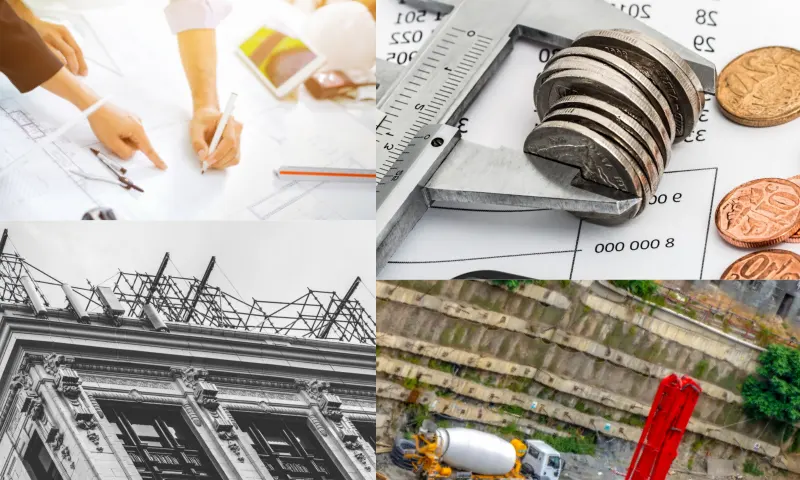
Urban transformation is a strategy that aims to make cities sustainable, safe, and livable. This process includes multifaceted elements such as urban planning, environmental protection, and community participation, thus preparing urban areas for a better future. The urban transformation process is a multi-stage and complex planning and implementation process. In the first stage, an analysis of the current situation is made, and the needs of the urban area are determined. Then, urban transformation strategies are developed, and projects to be implemented in cooperation with the local government are planned. These projects require the participation of experts from various disciplines and are managed by a team consisting of architects, urban planners, engineers, and social scientists. Subsequently, the urban transformation process begins to be implemented. In this stage, old and risky buildings are demolished or strengthened, green spaces are created, and infrastructure improvements are made. Community participation and feedback are continuously taken into account, considering the needs and expectations of the residents.