Pancreatic Cancers
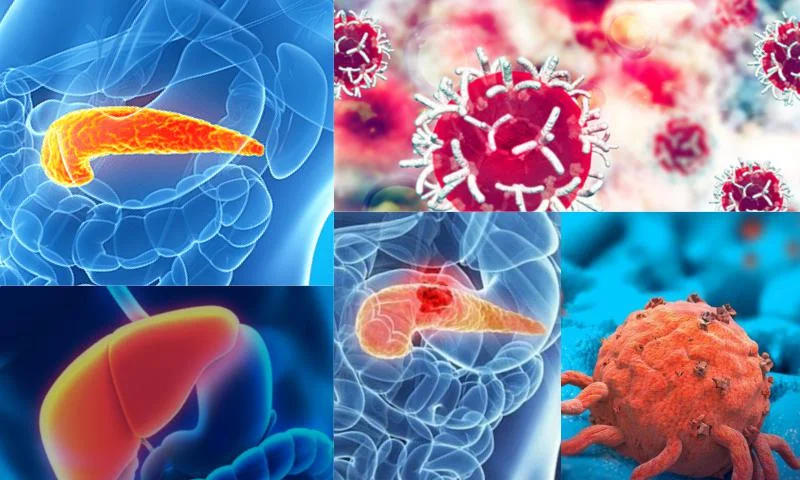
Symptoms of Pancreatic Cancer
The pancreas is one of the most important organs in our body. It is an organ of the digestive system, approximately 15 cm in size. It is a gland located behind the stomach and liver, adjacent to the duodenum and large intestine. It aids in the digestion of food entering the body and maintains glucose levels in the blood at the required level. You can examine the page to get detailed information about this subject. Pancreatic cancers develop due to mutational changes in the DNA of the pancreas. These mutations lead to uncontrolled growth of pancreatic cells, formation of masses, and death or dysfunction of normal cells, which is called pancreatic cancer. If left untreated, pancreatic cancers spread to neighboring organs. The exact cause of pancreatic cancer is not fully understood. However, some risk factors have been identified. Age is the most significant of these factors. It is more common in men than women between the ages of 50-70. Other risk factors include smoking, obesity, diabetes, pancreatitis, and genetic predisposition.
How is Pancreatic Cancer Diagnosed?
In the early stages, pancreatic cancers do not show symptoms, making diagnosis difficult. In later stages, symptoms include abdominal pain radiating to the back, weight loss, jaundice, itching, severe fatigue, blood clots, indigestion, and pale stools. Pancreatic cancer, which is not apparent in its early stages, can be diagnosed using the following methods. A thorough examination by a doctor is essential. Ultrasonography: This method provides information about the presence and size of hard and cystic masses in the pancreas. Laboratory Tests: Blood values such as serum bilirubin, alkaline phosphatase, liver transaminases, and CEA, CA19-9, and CA-125 are elevated. Bilirubin is positive in urine. Computed Tomography (CT) and Magnetic Resonance (MR): CT scans, performed after administering contrast agents orally and intravenously, provide information about pancreatic cancers and have a diagnostic accuracy of 95%. MR is very important in the differential diagnosis of cancer.