
The Importance of Dental Health in Children

Dental hygiene habits acquired during childhood affect an individual's oral and dental health throughout their life. Primary teeth guide the healthy eruption of permanent teeth. They are also of great importance for chewing, speaking, and facial aesthetics. Early loss of primary teeth due to decay or infection can lead to future misalignments and orthodontic problems. Therefore, children's dental health is a matter that needs to be considered not only for aesthetic reasons but also for overall health. It is possible to prevent potential problems with regular dental check-ups. For information on this subject and to ask your questions, you can review the relevant online companies on web pages and conduct a detailed examination here.
Proper Dental Care Habits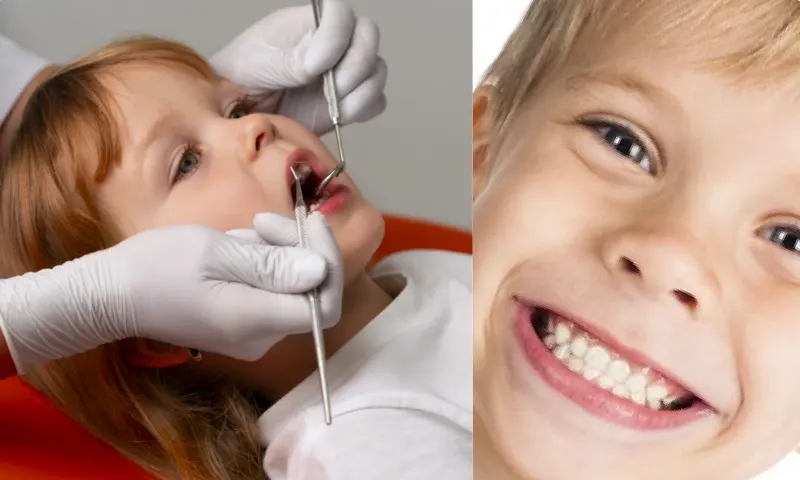
Dental care for children should begin with the eruption of the first tooth. Parents should pay attention to oral hygiene from infancy and instill the habit of brushing at least twice a day with fluoride-containing children's toothpaste. Up to the age of 6, children's tooth brushing must be done under adult supervision. Additionally, the consumption of sugary and acidic foods should be limited, and children should be encouraged to opt for healthy alternatives such as fruits and yogurt for snacks. The use of dental floss and increased water consumption are also effective in preventing tooth decay. Instilling these habits at a young age makes it easier to maintain dental health.
Dental Check-ups and Preventive Treatments
Taking children to the dentist every 6 months ensures the early diagnosis of potential cavities and gum problems. Through dental check-ups, children become aware of dental health and cooperate with treatment without developing a fear of the dentist. Preventive treatments such as fluoride applications and fissure sealants have a cavity-preventing effect. Fissure sealants, especially for permanent molars, fill the grooves on the tooth surface, preventing bacteria from settling. These types of preventive methods help to avoid more significant interventions in later years.