
What is the Treatment for Meniscus Disorder?
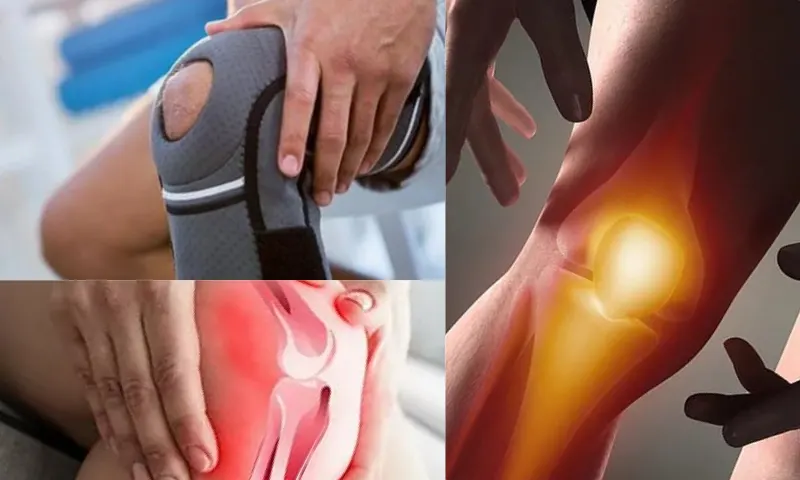
Treatment for meniscus disorder encompasses all methods aimed at relieving the pain and restricted movement caused by meniscus tears or damage in the knee joint. The meniscus is an important cartilage tissue that protects the knee joint and absorbs shocks. Sports injuries, sudden twists, or age-related wear and tear can lead to meniscus tears. Therefore, treatment for meniscus disorder is crucial for improving a person's daily quality of life. If left untreated, pain can become chronic and permanent damage to the knee may occur. With early diagnosis and appropriate treatment, both pain is reduced and knee function is preserved. During the treatment process for meniscus disorder, the degree of the tear is determined through a doctor's examination and, if necessary, imaging methods like MRI, and a personalized treatment plan is prepared for the patient. For information on this subject and to ask your questions, you can examine relevant online companies on web pages and conduct a detailed review from there.
Treatment Methods for Meniscus Disorder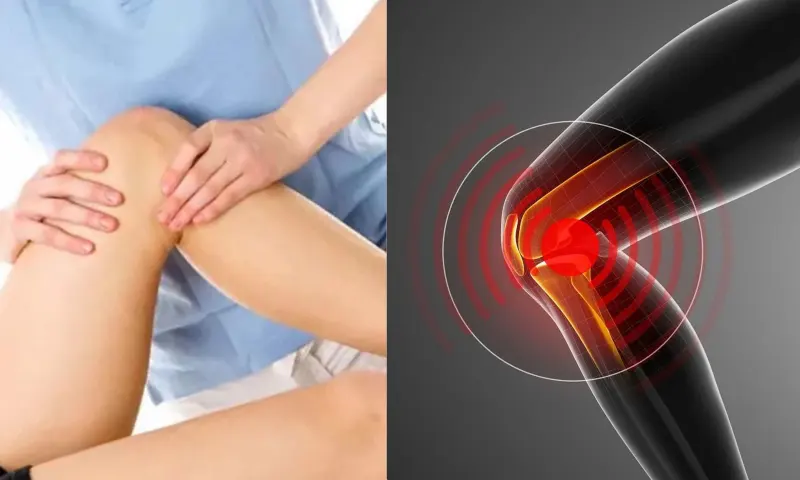
Treatment methods for meniscus disorder vary depending on the size of the tear, the patient's age, and lifestyle. For minor tears, conservative treatment is usually applied without the need for surgery. In this process, rest, brace use, ice application, and pain relievers are prioritized. Physical therapy also plays a significant role in the treatment process for meniscus disorder. Physical therapy exercises strengthen the muscles around the knee, making the joint more stable, thus reducing pain and increasing mobility. For larger tears or when conservative methods are insufficient, surgical treatment may be applied. Arthroscopic surgery is the most common method today. With the arthroscopic method, the damaged meniscus tissue is repaired or removed, and the post-operative recovery process is generally rapid, allowing the patient to return to their daily activities in a short time.
Recovery After Treatment for Meniscus Disorder
The recovery process after treatment for meniscus disorder should be carefully monitored. After surgery or conservative treatment, the knee should not be overexerted. Physical therapy exercises accelerate healing and help the knee regain its former strength. Patients should avoid heavy lifting, sudden twists, and activities that strain their knees. Regular exercise, maintaining an ideal weight, and a balanced diet support meniscus health. Treatment for meniscus disorder is highly successful when planned correctly and with the patient's active participation in the process. With early diagnosis and informed treatment, individuals can return to their daily lives in a healthier and more comfortable way. Treatment for meniscus disorder is vital for reducing pain, preserving knee function, and preventing the risk of re-tearing.