
The Importance of Cycling
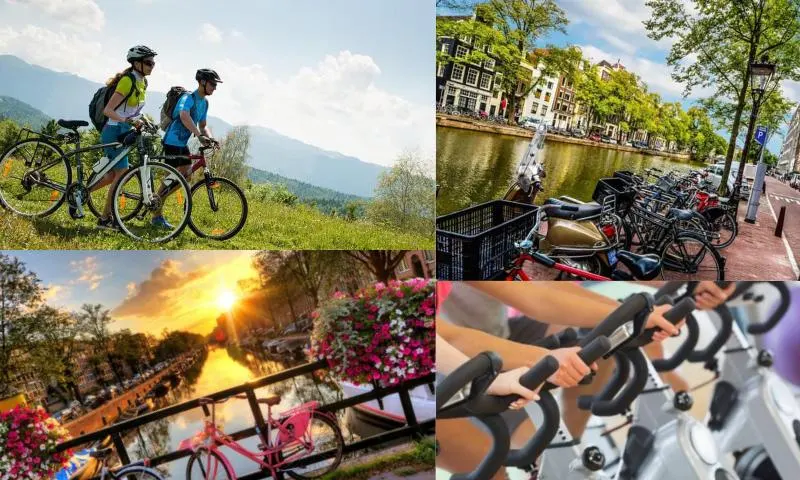
The bicycle is an environmentally friendly vehicle used as both a means of transportation and a means of sport and recreation. Today, with the increase in problems such as traffic congestion and environmental pollution, the use of bicycles is gaining more and more importance. Bicycles, which do not require fuel and do not harm nature, are one of the most important means of sustainable transportation. Cycling also positively contributes to the physical health of individuals. Cycling regularly protects cardiovascular health, strengthens muscles, and increases endurance. In addition, cycling is an activity that positively affects mental health by reducing stress levels. For information on this subject and to ask the questions you are curious about, you can look at the relevant online companies on the internet pages and examine them in detail from here.
History and Development of the Bicycle
The history of the bicycle dates back to the 19th century. The vehicle called "Draisienne", invented by Karl Drais in 1817, had a simple structure without pedals. In the 1860s, pedals were added, laying the foundations of the modern bicycle. In the late 19th century, chain-driven bicycles were developed, making them a more comfortable and safer means of transportation. Today, bicycles are produced in various models for different purposes. Mountain bikes, road bikes, city bikes, and electric bikes offer different features according to user needs. With the development of technology, innovations such as lightweight materials, aerodynamic designs, and electric assist systems have made bicycles more efficient.
Advantages of Cycling
Cycling has many advantages. First of all, cycling is an economical means of transportation. Since it does not require fuel, it provides significant savings to users in the long run. In addition, cycling does not harm the environment and contributes to a sustainable future by reducing carbon emissions. Cycling also provides great benefits to individual health. Regular cycling reduces the risk of obesity, strengthens the immune system, and supports the musculoskeletal system. In addition, cycling gives a sense of freedom and makes urban transportation more enjoyable. As a result, the bicycle is not only a means of transportation but also one of the fundamental elements of a healthy and environmentally friendly lifestyle. More people cycling will create positive effects both individually and socially.