What is the Purpose of Urban Transformation?

How are Urban Transformation Projects Planned?
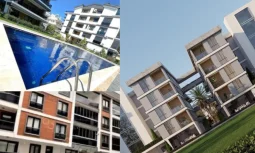
Urban transformation aims to improve the physical, social, and economic structure of cities. By renewing old and risky buildings, creating livable environments, developing infrastructure, and increasing energy efficiency, the sustainability and safety of cities are ensured. Furthermore, meeting social needs, maintaining social balance, and improving urban aesthetics are also part of the objective. Urban transformation aims to create healthier, more accessible, environmentally friendly, and livable cities, while also considering public participation and satisfaction. Active public participation increases the success of the transformation, strengthens social welfare, and promotes a more sustainable and fair urban life in the long term. For detailed information about urban transformation, you can visit the web address https://www.tektaskentseldonusum.com/kentsel-donusum-alanlari.
Why is Public Participation Important in the Urban Transformation Process?
The planning of urban transformation projects involves a careful and multi-layered process. The first step is to analyze the current situation and identify the needs. Then, the project's objectives are clarified with the participation of the local population. During the planning phase, infrastructure, environmental impacts, social impacts, and economic factors are meticulously evaluated. The project design is carried out considering legal regulations and financial resources. Risks and opportunities are analyzed before the implementation phase. The plan is shared with stakeholders through participatory and transparent communication. Urban transformation plans created with the principles of flexibility and sustainability include fundamental steps to build a livable future by adding value to the city. Public participation in the urban transformation process is the key to a sustainable and successful transformation. The public's opinions and needs increase the social acceptance of projects, and more effective and livable solutions are produced by considering the demands of the local population. Participation ensures understanding and cooperation by building transparency and trust, and reduces potential conflicts. The public's ideas ensure that the project is in line with local dynamics and demonstrates respect for the common values of society.