How Earthquakes Happen and Common Misconceptions
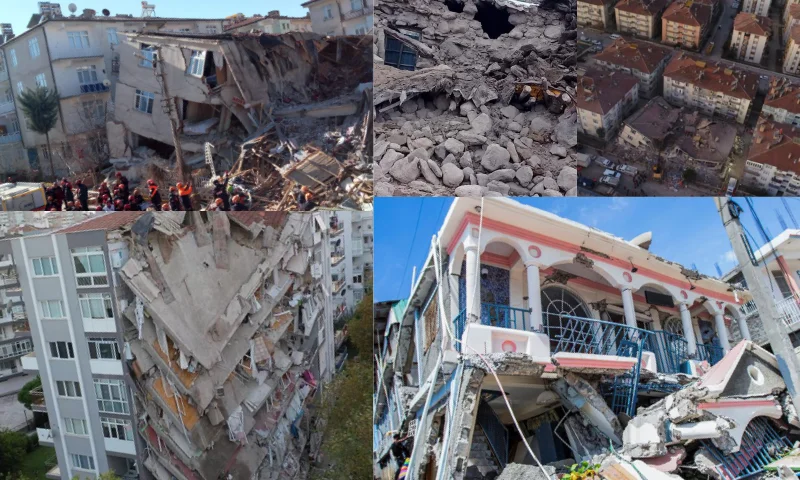
We haven't actually known earthquakes for that long. After the 1999 earthquakes, an earthquake awareness began to form in our society. However, there is a lot of hearsay or superficial, unrealistic information circulating about this extremely vital topic. This information is completely wrong. For information on this subject and to ask your questions, you can look at the relevant online firms on web pages and examine them in detail from here.

How Earthquakes Happen
The reality is a completely physical process. There are compressions and relaxations in the broken Earth's crust. These compressions and relaxations cause energy to build up in the fault over time. Like a slowly stretched wire, energy accumulates along the fault, and when the strength of the fault zone weakens to the point where it can no longer hold this energy, the energy is released as the fault ruptures and moves. Comparing the amount of released energy to a bomb explosion is completely wrong. The reason for this is that the energy released in a bomb explosion travels around the point of explosion without changing. That is, there is no change in the waves carrying the energy. The energy is distributed equally in all directions. However, as the waves formed when earthquake energy is released change shape as they move through the ground.
Marmara Earthquake Map
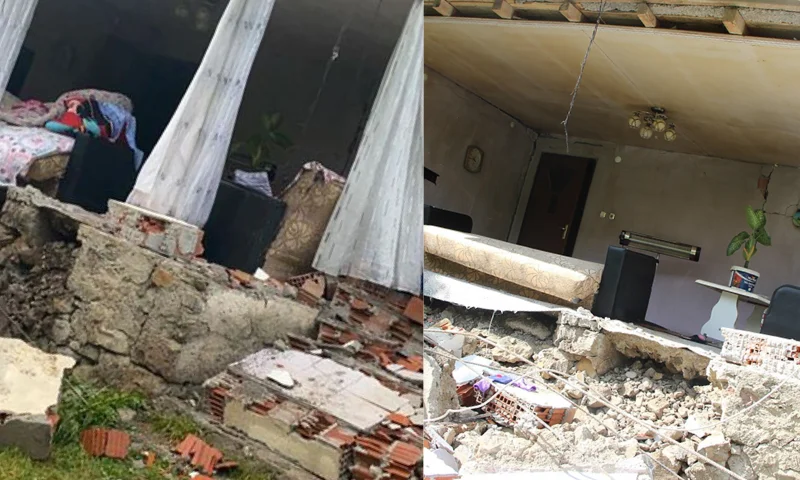
Although the North Anatolian Fault Zone, extending through the Marmara Sea, shows a right-lateral strike-slip movement towards eastern Turkey, it manifests itself within a complex tectonic structure. This complex structure, while not yet fully explained, extends for about 100 km and, as you know, causes high-magnitude earthquakes. Recently, seismic instruments are being placed within the sea, which allows for more successful seismological research of this region.