What is Waste Disposal
Solid Waste Disposal
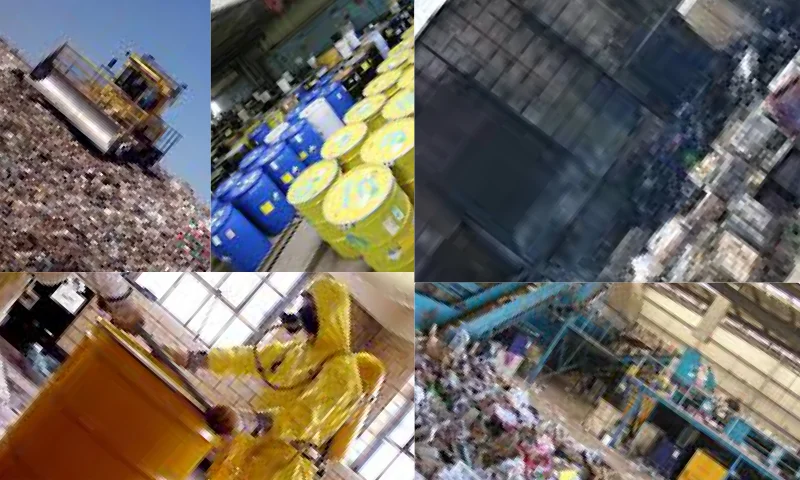
Waste can emerge wherever there is a living space. However, conscious consumption ensures that these wastes are collected and reprocessed without harming the environment and human health. You can find everything you wonder about how waste should be disposed of from companies on websites. Daily waste emerges from all areas of hospitals, schools, residences, industries, parks and gardens, and social sharing areas. These wastes must be destroyed or stored under appropriate conditions. Everything that is no longer used by the user is waste, and waste disposal means the destruction of these unused substances within the framework of the regulation published in the Official Gazette.
Collection of Solid Wastes
It is necessary to take measures against the waste problem arising from the globalizing world and urbanization problem, and to ensure that these wastes are disposed of with a professional management approach. Waste management is a whole of planned and programmed works. Each discipline works in connection with each other. It is necessary to act according to the plan and program specified in the regulation at every stage, from the collection of waste from its source to its transportation, to its destruction or storage in accordance with its type at the disposal facilities. Solid wastes include wastes such as kitchen waste, paper, cardboard, plastic, glass, metal... These wastes can be collected in two ways: mixed or dual collection. Dual collection means collecting solid wastes in the form of wet and dry wastes. An integrated collection system can only be realized by using the correct collection method. When the wastes collected from their source are collected correctly, both recycling will be easier and the operations to be performed during recycling will be less. In mixed collection, there is a risk of damage to the wastes as well as their separation.