PRP Method in IVF
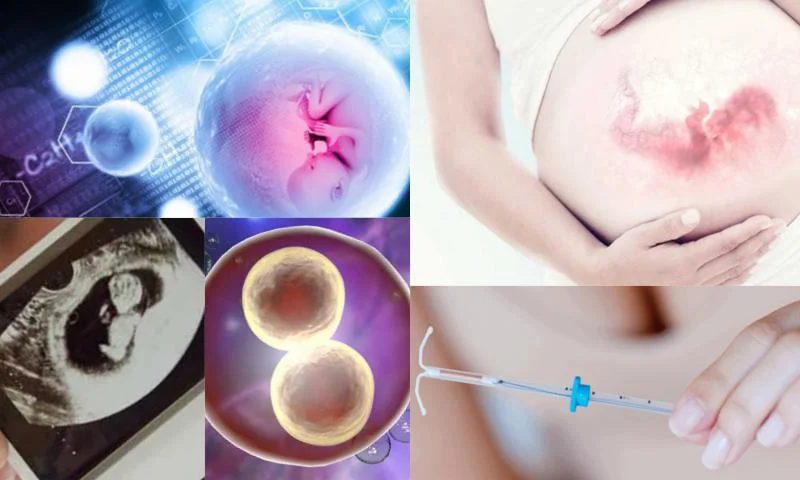
The procedure called PRP is a method of re-injecting a concentrated plasma obtained from the person's own blood back into the person. The PRP method, used in many fields, provides a modern treatment process in IVF. The PRP method in IVF is applied in two steps.
- In the first stage, after the blood taken from the expectant mother undergoes procedures in a centrifuge device, the PRP to be used is prepared. The other procedure, the placement of PRP into the ovaries, stimulates the existing eggs in the expectant mother and increases their quality.
- Before applying PRP treatment, the ovarian reserve and uterine condition should be examined with an ultrasound scan. Based on this examination, a decision can be made whether to apply PRP treatment.
Who Can Benefit from PRP Treatment?
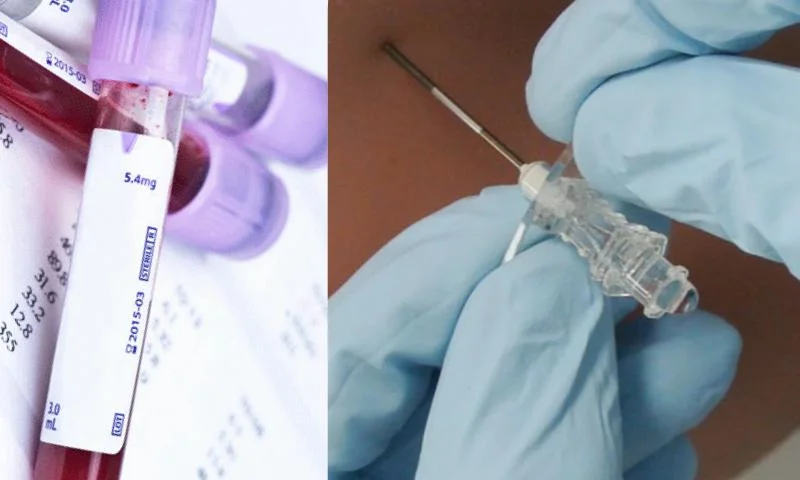
- Expectant mothers diagnosed with low hormone levels and egg count,
- Women experiencing egg insufficiency at an early age,
- Those over 35 years of age diagnosed with infertility,
In these cases, by resorting to PRP treatment, the ovarian reserve can be revitalized and egg quality can be increased. Especially for expectant mothers who enter menopause at an early age and think they cannot have children, the pregnancy rates have greatly increased with the PRP method. In addition, the hope of couples who want to become parents has greatly increased thanks to the PRP method in IVF, which can be applied by those who have difficulty becoming mothers due to the decrease in ovarian reserve and egg quality associated with the increasing age of marriage. You can visit the relevant online sites on the internet pages to learn more about these methods and procedures and to examine the stages.